
Style isn’t just about what someone wears; it’s a powerful form of self-expression that can turn heads and raise eyebrows. Whether it’s a killer outfit or a perfectly curated living space, style speaks volumes before a single word is uttered. It’s the secret sauce that transforms the mundane into the extraordinary, and let’s face it—who doesn’t want to be the life of the party or the envy of the office?
Understanding Style
Style encompasses choices that reflect individuality and identity. This notion extends beyond clothing and includes personal aesthetic, behavior, and overall presentation.
Definition of Style
Style refers to a distinctive manner of expression. Individuals express style through various mediums like fashion, art, and communication. These choices create a unique representation of one’s personality and values. Notably, style can manifest in everyday life, from wardrobe selections to home decor and even writing. Ultimately, it reflects individual choices in numerous aspects of life.
Importance of Style
Understanding the significance of style proves essential in multiple contexts. In social environments, distinct style sets individuals apart and fosters connections. Style communicates messages instantly, influencing perceptions and interactions. Professionals benefit from well-defined style; it enhances credibility and leaves lasting impressions. Moreover, individuals find confidence in their chosen style, impacting self-esteem positively. The ability to express oneself through style fosters creativity, enriching everyday experiences and personal narratives.
Types of Style
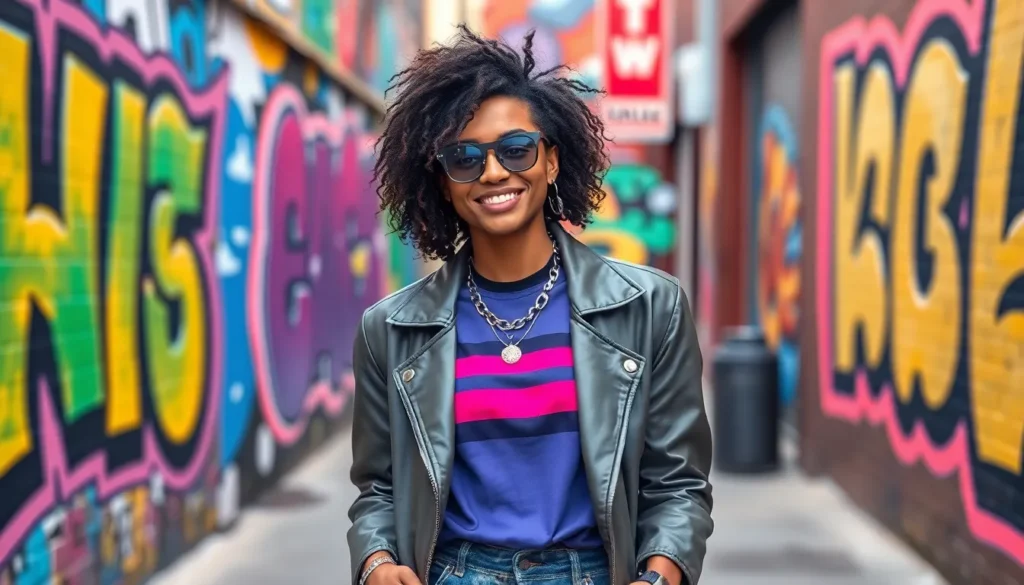
Style encompasses various forms that reflect individuality and personal expression. These types include personal style, fashion style, and writing style.
Personal Style
Personal style defines how individuals present themselves. It includes choices in clothing, accessories, and overall aesthetics. Clothing selections often showcase personality traits, values, and influences. Individual preferences guide decisions around colors, patterns, and silhouettes. Expression through personal style allows for unique combinations that resonate with one’s identity. Additionally, this style evolves with experiences, reflecting personal growth and changing tastes. Recognizing one’s personal style fosters self-awareness and confidence.
Fashion Style
Fashion style focuses on trends and the broader fashion industry. This type emphasizes the importance of clothing and accessories influenced by current trends. Fashion weeks and designer collections highlight evolving tastes in society. Choices in this style often reflect cultural movements and aesthetics. Influencers play a significant role, showcasing how to interpret fashion concepts. Ultimately, fashion style merges creativity and marketability, shaping public perceptions of beauty and aesthetics.
Writing Style
Writing style encompasses the unique voice and tone of an author. It includes the choice of vocabulary, sentence structure, and overall flow. Varied styles convey different messages and evoke specific emotions. Authors may adopt formal, informal, descriptive, or narrative styles depending on their audience and purpose. This adaptability makes writing style crucial for effective communication. Engaging writing captivates readers and enhances understanding. Ultimately, a distinctive writing style sets authors apart, establishing their presence in the literary world.
Elements of Style
Style incorporates various elements that contribute to personal expression. These elements create a cohesive aesthetic while reflecting individuality.
Color and Patterns
Color influences mood and perception, acting as a powerful tool in style. Bright shades can convey energy, while muted tones suggest sophistication. Patterns add dimension, introducing visual interest. Stripes, florals, and polka dots each tell a different story. Combining colors and patterns thoughtfully reveals personality. Considering the occasion ensures appropriate choices. Observing color trends helps in crafting a modern look.
Fabrics and Materials
Fabrics impact not only appearance but also comfort and durability. Cotton is breathable and versatile, while silk offers luxury and elegance. Natural fibers tend to feel softer against the skin than synthetic options. Choosing the right material enhances overall style, impacting how garments drape and move. Seasonal considerations also play a role in material selection. Furthermore, sustainable fabrics gain popularity, aligning style with environmental responsibility.
Form and Fit
The silhouette of an outfit defines its overall impact. Tailored pieces create a polished look, while relaxed fits promote comfort. Proportions matter; pairing loose items with fitted pieces can balance an ensemble. Additionally, the fit enhances confidence, allowing individuals to express themselves comfortably. Each body shape deserves styles that emphasize strengths. Experimentation with various forms leads to discovering flattering silhouettes.
Developing Your Own Style
Creating a unique style starts with understanding personal preferences and experimenting with trends.
Assessing Your Preferences
Identifying personal tastes in color, fabric, and fit lays the foundation for a distinctive style. Reflect on the styles that resonate, whether bold, classic, or eclectic. Consider how comfort and practicality influence clothing choices. Analyzing favorite pieces can reveal consistent themes. Evaluating influences, such as celebrities or cultural icons, expands awareness of potential styles. Keeping a mood board or journal helps track likes and dislikes over time. Observing how different outfits feel in various settings provides valuable insight into preferences.
Experimenting with Trends
Trying out current trends adds excitement and variety to a personal style. Explore different silhouettes and colors, even if they fall outside comfort zones. Mixing timeless pieces with seasonal trends allows integration without complete overhaul. Attending fashion events, browsing online platforms, or following influencers showcases fresh ideas. Assess individual responses to trends to identify what feels authentic. Incorporating new elements gradually promotes confidence. Dress according to mood, occasion, and identity while embracing experimentation as a viable approach.
Style is an essential aspect of individuality that transcends mere appearance. It shapes how people express themselves and connect with others. By embracing personal aesthetics and experimenting with different elements, individuals can cultivate a unique style that resonates with their identity.
Confidence grows when people feel comfortable in their choices. This journey of self-discovery not only enhances personal expression but also influences how one is perceived in various settings. Whether through fashion, behavior, or written communication, style serves as a powerful tool for making lasting impressions and fostering authentic connections. Ultimately, developing a distinctive style is an ongoing exploration that enriches both personal and professional lives.