
Cats have a reputation for being aloof, but what if they’re secretly the furry doctors of the household? When their humans are under the weather, do these whiskered wonders sense something amiss? Many cat owners swear their pets have a sixth sense when it comes to illness, curling up closer or giving extra cuddles when they’re not feeling their best.
Imagine your cat, with its keen instincts, picking up on your sniffles or that tired sigh. It’s almost as if they’ve got a PhD in human emotions! But is it just coincidence, or do they really know when you’re sick? Let’s dive into the fascinating world of feline intuition and discover if your cat’s behavior is more than just a quest for warmth and snacks.
Understanding Feline Behavior
Cats often display behaviors that suggest an understanding of their owner’s health, particularly during sickness. Observers note that cats may increase their affectionate gestures when a family member feels unwell. This attachment could stem from a cat’s sensitivity to changes in body language and emotional energy.
Visually, cats respond to their owner’s demeanor. When individuals appear lethargic or in discomfort, cats may approach and offer companionship. In some cases, the proximity of a cat provides a sense of comfort to its ill human. Observing these interactions indicates that cats are attuned to more than just physical cues.
Scent plays a significant role in feline perception. Cats possess an extraordinary sense of smell, which enables them to detect changes in a person’s biochemical makeup. It’s common for cats to notice alterations that accompany illness, such as variations in scent due to stress or changes in hormonal levels.
Behavioral scientists suggest that domestication may enhance this instinct. Through years of living alongside humans, cats likely developed instincts that alert them to their owner’s needs. This adaptability allows them to respond to subtle cues that indicate distress or discomfort.
Many pet owners recount experiences where their cats seem to know when illness strikes. Cats’ responses, including curling up next to their owners or creating their own routines to stay close, reinforce this idea. Additionally, social bonding might contribute to their heightened awareness, promoting a deeper emotional connection during challenging times.
These behaviors illustrate an ongoing relationship between cats and their human companions, revealing layers of mutual understanding in moments of vulnerability.
The Bond Between Cats and Humans
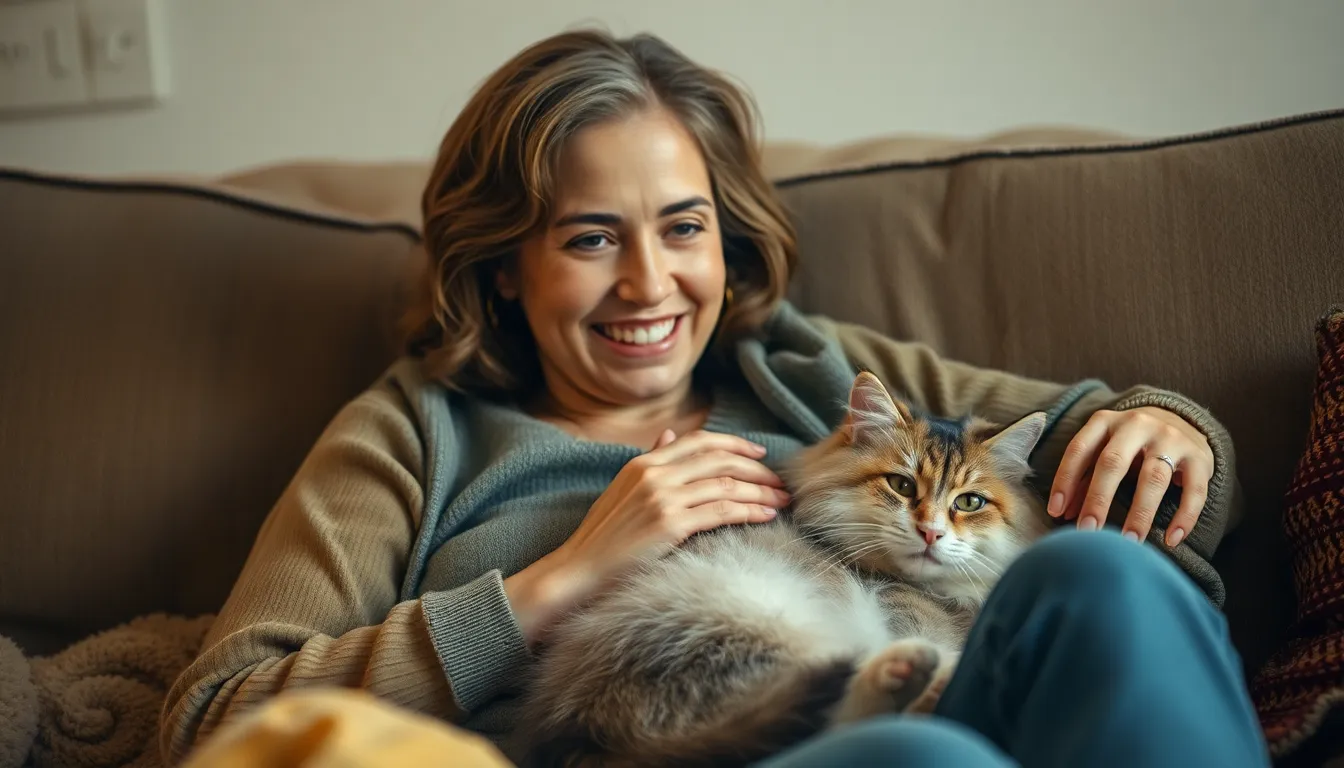
Cats share a unique connection with humans, often exhibiting behaviors that suggest a deep understanding of their owner’s emotions and health. This bond extends beyond mere companionship, allowing cats to be attuned to their human’s well-being.
Empathy in Cats
Empathy in cats plays a significant role in their interaction with humans. Research indicates that they respond to their owner’s emotional states, often mirroring feelings of sadness or distress. Cats may approach their sick owners, providing comfort through purring or cuddling. Owners frequently report these moments, highlighting a cat’s ability to sense when their human is unwell. This emotional sensitivity enhances the bond, creating a space where both the cat and owner can find solace.
Behavioral Changes in Response to Illness
Behavioral changes in cats become apparent when their owners are ill. Observers note that cats may increase proximity to their humans, often choosing to sit closely or sleep beside them. Some cats even adjust their playfulness, opting for quieter interactions during these times. In many cases, altered grooming behaviors also emerge; cats might groom their owners more frequently, offering comfort through physical touch. Such actions suggest that cats are well aware of their owner’s health conditions, reinforcing their role as intuitive companions.
Scientific Studies on Cats and Human Health
Research explores whether cats can detect when their human companions are sick. Some studies reveal that cats might respond to human health changes, showing behaviors that suggest an awareness of their owner’s well-being.
Key Findings
Various studies indicate that cats enhance affectionate behaviors when their owners are unwell. One significant finding shows that cats exhibit increased physical closeness, often choosing to sit next to or curl up with sick humans. Researchers conclude that these actions might stem from the cat’s ability to sense alterations in their owner’s emotional state and physical health. Several experiments support the idea that cats can detect shifts in scent, particularly when humans experience stress or illness. This particular sensitivity could be a genetic trait developed through domestication, allowing cats to engage with their owners on a deeper emotional level.
Implications for Cat Owners
Understanding this behavior can enhance the bond between cats and their owners. When owners recognize their pet’s intuitive responses, they can foster a supportive environment for both themselves and their cats. Cat owners may find comfort in knowing that their pets provide emotional support during illness. Many owners report that their cats help alleviate feelings of loneliness and discomfort when they feel unwell. This mutual understanding can create a nurturing atmosphere, reinforcing the connection between cats and humans. Encouraging this behavior through gentle interaction may also enhance a cat’s willingness to provide companionship during difficult times.
Anecdotal Evidence from Cat Owners
Numerous cat owners observe their pets exhibiting unusual behaviors during illness. Many report that their cats curl up closely beside them, offering warmth and companionship. When feeling unwell, humans often find their feline friends purring contentedly, creating a soothing atmosphere.
Some owners share stories of their cats sensing distress even before symptoms arise. For instance, a cat may sit vigilantly beside an owner experiencing anxiety or discomfort. Changes in a person’s body language seem to prompt these heightened affectionate gestures. Instances like these reflect an emotional connection that transcends verbal communication.
In various households, cats show distinct preferences for resting locations based on their owner’s health. They may choose to sleep on the bed or even join their owners on the couch during times of sickness. Owners notice these behaviors mirror their emotional states, suggesting that cats respond not only to physical signs but also to psychological indicators.
Experiences from different cat owners highlight this ability. One individual recalled their cat guarding them during bouts of illness, refusing to leave their side. Another reported their feline engaging in gentle head-butting, a sign of affection and reassurance. Such actions reinforce the idea that cats possess an instinctive understanding of their human companions’ needs.
Reports of increased attention during illness intensify the belief in this intuitive bond. Observers note that cats often refrain from typical playful antics, redirecting their energy to offer comfort through proximity. This emotional support proves invaluable, alleviating feelings of loneliness and enhancing the well-being of both parties.
Cats may indeed have an extraordinary ability to sense when their human companions are unwell. Their increased affection and attention during these times suggest a deep emotional connection that goes beyond mere coincidence. Observing a cat’s behavior can reveal their instinctive responses to changes in their owner’s health and emotional state.
This unique bond not only provides comfort to those feeling unwell but also reinforces the importance of nurturing the relationship between cats and their owners. By recognizing and appreciating these behaviors, individuals can foster a supportive environment that benefits both parties. The intuitive nature of cats highlights their role as empathetic companions, making them invaluable to their human families during vulnerable moments.